

The Top 10 Bedroom Plants for Better Sleep: Nature's Sleep Aids
Want a plant for your bedroom but unsure what to choose? Discover the top ten plants for better sleep, from aloe vera to snake plants to lavender.

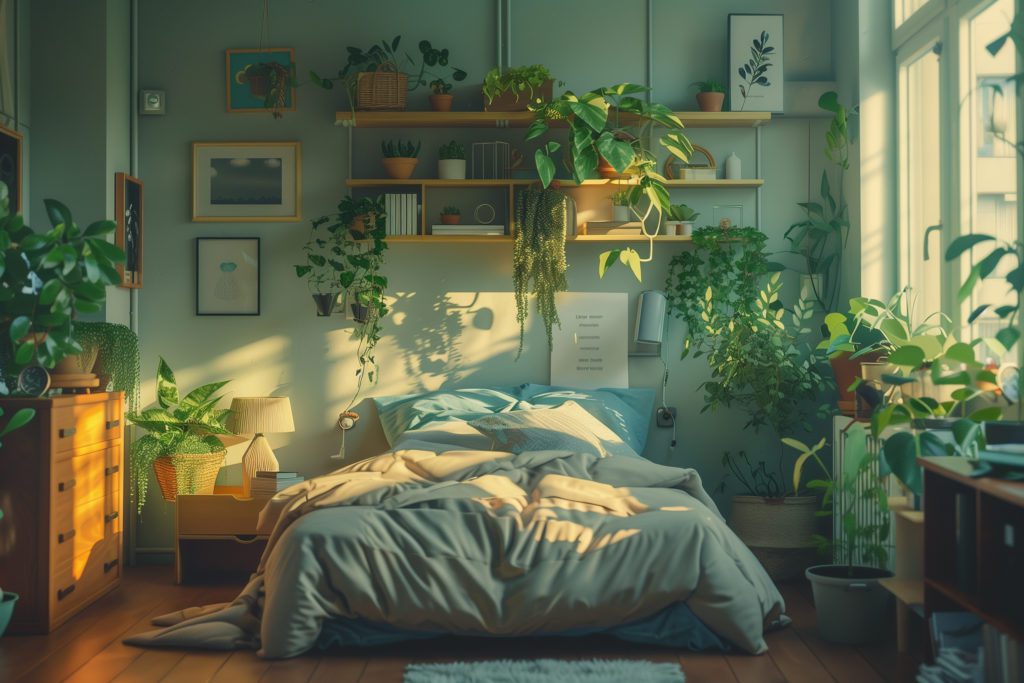
When it comes to your bedroom environment, there is so much you can do to encourage better rest. From getting the right bedding to setting the temperature just right, you can create an idyllic sanctuary where you’ll rest without disruption. However, did you know that you can also include certain plants in the bedroom to encourage better rest? It’s true!
In this article, we’ll explore ten bedroom plants that are the best for better sleep and ones that you can safely put in the bedroom. From favorites like the snake plant and lavender to others like the peace lily and aloe vera, you’ll have a comprehensive list of some of the best plants to include in your space. Let’s start with one you likely know about because of its benefits overall for your health: the snake plant.
1. Snake Plant
The snake plant is among one of the most beneficial plants to have in your home. According to BBC, this plant actually has the ability to take in carbon dioxide and release oxygen at night, making it a must-have for those who want to enjoy better rest.
That means that with this plant in your room, you’ll sleep with enough clean air to ensure your health and optimal rest. The snake plant acts like an air filter, so if you’re looking for a plant that supports your well-being, this should be at the top of your list!
2. Aloe Vera
Similar to the snake plant, aloe vera is another essential plant that can be placed in your bedroom. This medicinal plant is well known for its remarkable ability to release oxygen at night, and it is one of the most well-known plants for healing.
If you choose to put it alongside other plants, like lavender or even a snake plant, you can create a bedroom setting that offers you purified air, relaxing scents, and plenty of oxygen overnight.
3. Spider Plant
The spider plant is another highly resilient plant that can provide benefits to you while you sleep. If you place this plant in your bedroom overnight, you can enjoy air purification just like you would with the snake plant. This is an excellent way for you to encourage better respiratory health, which is even more critical if you have a condition like asthma.
4. Peace Lily
If you are a big fan of lilies and flowers, then you’re in luck! The peace lily has made our list because of its extraordinary ability to filter out toxins from the air, just like the spider plant and snake plant.
Studies have shown that this can actually help you improve your health and even your mood, making you feel better upon waking up in the morning. Not only that, but peace lilies have a pleasant smell and appearance, so it will definitely make your bedroom even more relaxing and comforting to encourage better rest.
5. English Ivy
If you’ve been looking for a plant that purifies your air and looks beautiful from a tall shelf, then you should definitely consider getting some English ivy. English ivy trails on vines as it grows, but the plant also has the ability to help remove toxins and substances like molds from the air. If you have asthma or allergies, this plant can help you avoid certain toxins that could otherwise trigger your symptoms, ensuring you always wake up refreshed.
6. Lavender
Compared to other plants that we have discussed on this list, lavender is genuinely one of the best plants to have in your bedroom. You likely know of its pleasant scent, but do you know what it can do to your space?
Lavender has been used to encourage a relaxing atmosphere, but it can also help you with sleep disorders (Source: Phytotherapy Research). If you include the plant in your bedroom, just the scent alone can make you feel at ease, ensuring you’ll get to bed in no time.
7. Gardenia
If you’ve ever smelled gardenia, you know how wonderful this flower is. This plant is not only a beautiful addition to any space in your home, but it has also been known to help with improving your sleep quality (Source: Traditional and Integrative Medicine). So, if you’re looking to enhance the quality of your rest, then gardenia plants might be an excellent idea for your room. Not to mention, they smell delightful!
8. Jasmine
Jasmine is another plant with a sweet aroma that can actually help you get better rest. Much like gardenia and lavender, you’ll find that jasmine is a beneficial plant to have in your room. Studies have shown that simply smelling this flower can help you feel more relaxed, and it can even alleviate some negative emotions you might be experiencing. Not only that, but pink jasmine specifically has a restorative effect on us.
9. Golden Pothos
If you’re looking for more plants that can purify the air, then you’ll love the golden pothos, also known as the money plant. This plant can actually purify the air and make your sleeping environment more restful. It’s also a bit smaller than some of these plants if you buy it when it sprouts, so you can place this on your nightstand, on a shelf, or anywhere you please so you can enjoy better sleep.
10. Valerian
Last but certainly not least is Valerian, which you may have heard of. Many people enjoy this supplement because it can help with sleep, but you don’t have to take a pill to feel its benefits. You can even just smell this plant, as its characteristic pungent aroma may take some getting used to, but it can actually have an anti-anxiety effect on the body.
This can be extremely helpful for those who struggle with sleep, as you’ll feel more relaxed as you lay down and go to rest at night. Of course, if you want to skip the scent, you can always prepare tea or tinctures to help you sleep.
What Will You Put in Your Bedroom?
With so many plants to choose from, it’s up to you how you create the ideal bedroom setting for optimal rest. If you struggle with anxiety, try a lavender plant. For those seeking better air quality, include a snake plant or two and see how you feel. It’s all about personalizing the space to fit your needs. For more insights on sleep health and how to create an optimal space for rest, visit our website today.
FAQ
Can plants in the bedroom help with mental health?
Yes, studies show that indoor plants reduce stress, anxiety, and depression. The presence of greenery promotes relaxation and a sense of well-being. Taking care of a plant can be a mindful activity that encourages calmness, improves focus, and enhances sleep quality by reducing mental strain.
Can plants improve the aesthetic appeal of my bedroom?
Absolutely! Plants add natural beauty, texture, and a soothing atmosphere to your space. Whether it’s a hanging pothos, a sculptural fiddle-leaf fig, or a minimalist succulent, greenery enhances decor. A well-placed plant can make a bedroom feel more serene, cozy, and inviting for restful sleep.
How do I choose the right plants for my bedroom's lighting conditions?
Selecting plants based on light availability ensures they thrive. Snake plants and pothos do well in low-light spaces, while bright rooms can support fiddle-leaf figs or rubber plants. If natural light is limited, consider artificial grow lights to maintain healthy plant growth without compromising sleep quality.
Can plants in the bedroom help reduce noise levels?
Yes, plants can act as natural sound barriers by absorbing and diffusing noise. Large, leafy plants such as peace lilies, rubber plants, or monstera help dampen sound waves, reducing background noise and creating a quieter, more peaceful sleeping environment, especially in urban settings.
Are there any plants that can help repel insects in the bedroom?
Yes, some plants have natural insect-repelling properties. Lavender, rosemary, citronella, and peppermint produce scents that deter mosquitoes, flies, and other pests. Placing these plants near windows or entry points can help keep bugs away, creating a more comfortable sleep environment.
Can plants in the bedroom help with allergies?
While plants improve air quality, some release pollen or spores that can trigger allergies. Hypoallergenic plants like snake plants, areca palms, and ferns help purify the air without irritating sensitive individuals. Regularly wiping plant leaves and keeping soil dry can also reduce allergens.
Is it safe to have plants in the bedroom if I have pets?
Some plants are toxic to pets if ingested, so choosing safe options is crucial. Always research plant toxicity before introducing them into your home, and place them out of reach if necessary.

Written by
Marie Soukup
Marie Soukup is a seasoned copywriter, editor, and Integrative Nutrition Health Coach with a certificate from the Institute of Integrative Nutrition (IIN). With years of experience working with brands across diverse industries, Marie is passionate about holistic health and crafting compelling content.
Learn more


Download Pillow

Get help
Press & News
Legal
Connect
X (Twitter)
Affiliates & Partnerships
Company
Copyright © Neybox Digital Ltd.